
4 Key Factors in the 2026 U.S. Housing Market and Their Impact on the Lumber Industry
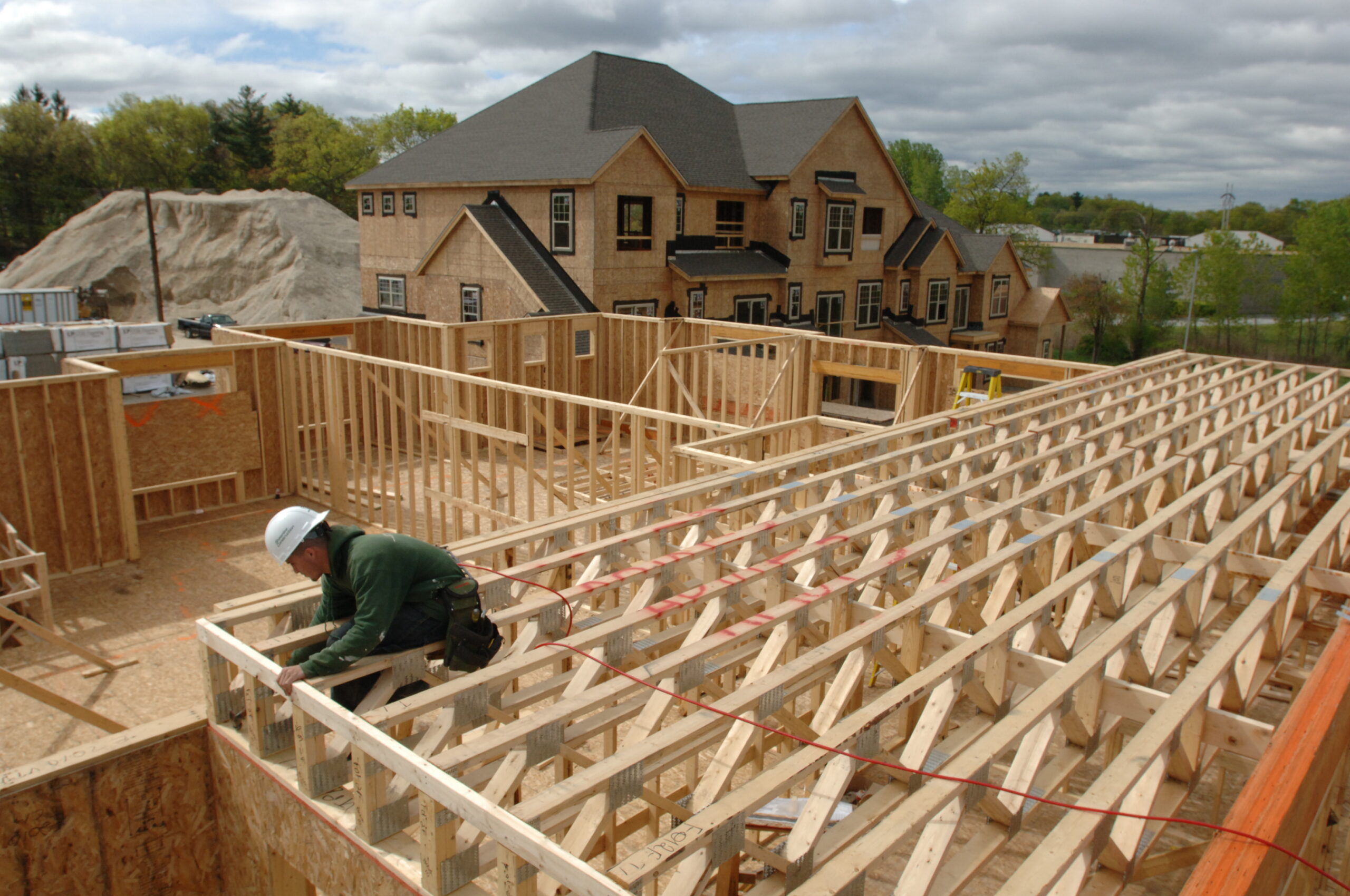
Here are four key factors in the 2026 housing sector and their impact on the lumber industry
1. Housing Starts Remain Constrained but Targeted
Most forecasts project moderate housing starts in 2026, driven less by speculative development and more by necessity-based construction. Limited resale inventory, demographic pressure from millennials, and ongoing housing shortages continue to support long-term demand, even as affordability challenges suppress short-term volume.
Single-family construction is expected to remain uneven, while multi-family, mixed-use, and build-to-rent projects attract the majority of new capital. For the lumber industry, this means demand that is project-specific rather than speculative, favoring disciplined procurement and flexible sourcing over bulk buying.
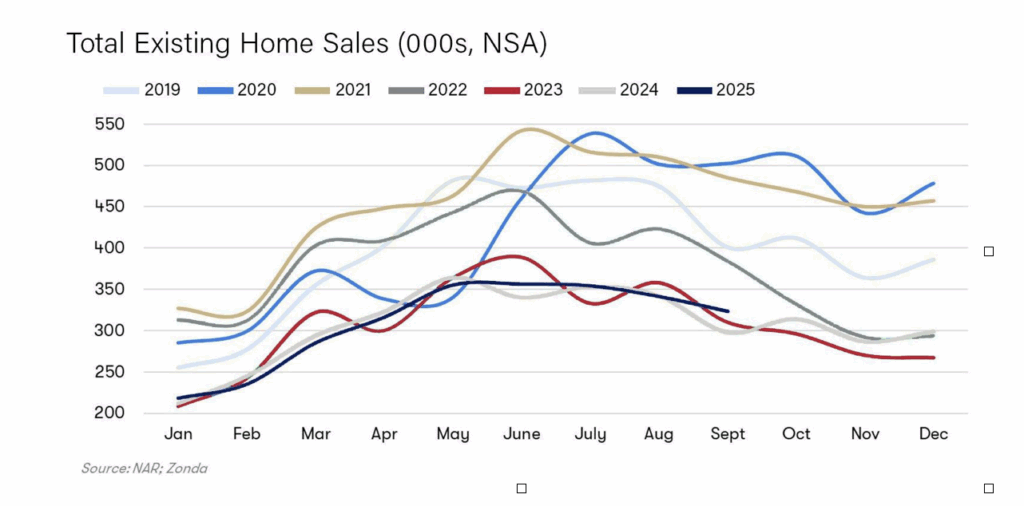
2. Interest Rates Drive Capital Discipline
3. Lumber Supply Is More Stable—but Not Simpler
4. Sustainability and Compliance Shape Buying Decisions
What Smart Lumber Buyers Will Do in 2026
- Avoid speculative inventory risk
- Maintain regional sourcing flexibility
- Prioritize transparency and supplier verification
- Use market data to guide procurement decisions
- Connecting buyers to verified suppliers
- Improving market visibility
- Streamlining sourcing regardless of demand cycles
The Bottom Line
2026 won’t be defined by explosive housing growth—but by measured, disciplined building. For the lumber industry, success will come from agility, efficiency, and smarter sourcing strategies that perform in any market condition. TimberBase is well positioned to not only help you survive those challenges, but to thrive in them.
Learn more about TimberBase’s digital sales platform or get in touch with us to set up a short discovery call.