
Navigating 2026: How AI and Digital Innovation is Transforming the Commercial Lumber Industry
With 2026 just around the corner, the commercial lumber industry is on the verge of a massive transformation. Fueled by broader trends in engineering and construction and dramatic advances in AI, lumber companies are beginning to reshape how they source, sell, manage, and forecast inventory. Traditional procurement channels and manual processes are giving way to integrated platforms, data-driven decision-making, and AI-enabled tools that streamline transactions, optimize supply chains, and create new competitive advantages.
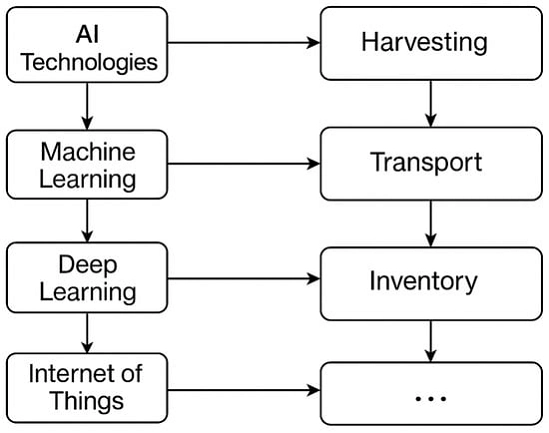
The Broader Tech Wave: AI at the Core of Industrial Innovation
In Deloitte’s 2026 Engineering and Construction Industry Outlook, digital transformation and AI are highlighted as key drivers shaping industrial growth and competitiveness. Engineering and Construction firms are increasingly leveraging technologies like agentic AI, real-time analytics, and connected devices to boost productivity and mitigate risk amid volatile supply chains and labor shortages. These insights are directly relevant to the lumber sector, which sits upstream of major commercial construction activity and shares many of the same operational pressures.
What stands out in Deloitte’s analysis is the shift from experimenting with AI to embedding it at the core of operational workflows. AI is allowing organizations to automate complex tasks, improve forecasting, and capture new insights from fragmented datasets. This “AI-first” mindset is no longer optional for companies that want to remain competitive in 2026 and beyond.
For lumber dealers, distributors, and manufacturers, this means moving beyond spreadsheets, phone calls, and disconnected quoting processes toward systems that can respond with intelligence, scale globally, and connect partners in real time.
AI and Automation: What’s Next for Lumber Procurement & Supply Chain
1. Intelligent Pricing and Market Forecasting
AI-powered predictive analytics tools can analyze historical pricing, supply chain bottlenecks, and market demand signals to forecast pricing trends months ahead of competitors. Lumber businesses that adopt these capabilities will be better positioned to hedge risk or negotiate with long-term buyers.
2. Automated Quoting and Transaction Workflows
The era of manually sourcing quotes from multiple suppliers is giving way to centralized digital systems where buyers submit a request once and receive automated, competitive offers. This not only increases speed and transparency but also improves accuracy and reduces costly errors.
3. Real-Time Order Tracking and Predictive Logistics
AI systems integrated with IoT and cloud platforms can track every shipment and anticipate delays before they occur. For lumber companies operating with tight project timelines—especially in commercial construction—this level of visibility is invaluable.
4. Enhanced Safety, Compliance, and Sustainability Insight
Connected sensors, remote monitoring, and computer vision systems can help improve safety in sawmills and processing centers—and even contribute to sustainability reporting. Lumber producers who adopt these tools can not only enhance workplace safety, but also comply with increasingly stringent environmental standards.
Together, these technology trends point to a future where lumber companies are not just suppliers, but data-driven partners in the broader construction ecosystem.
Why TimberBase® is Well-Positioned for 2026 and Beyond

With this rapid shift toward digital workflows and AI-enabled systems, TimberBase is a powerful solution in the global lumber industry. More than just ecommerce, TimberBase is a modern digital sales platform designed to simplify transactions, enhance transparency, and connect thousands of global buyers and sellers—all while laying the groundwork for tech-driven growth.
1. Centralized, Automated Platform
At its core, TimberBase provides a centralized digital space where buyers can request quotes, and sellers can post offers to a wide network of qualified partners. This automation reduces manual overhead, accelerates deal flow, and improves pricing visibility across the entire supply chain.
2. Real-Time Visibility and Communication
With features like real-time order tracking, live chat support, and user-friendly dashboards, TimberBase brings the commercial lumber transaction process into the modern era. Buyers aren’t left waiting for callbacks or outdated price lists; they can manage quotes, accept offers, and track shipments—all from a single platform.


3. Global Reach and Market Intelligence
Backed by the scale of UFP Industries and supported by an extensive network of suppliers in more than 60 countries, TimberBase isn’t just local—it’s global. This worldwide digital sales platform provides deeper liquidity, more competitive pricing, and access to a breadth of species, grades, and dimensions rarely manageable with older procurement models.
4. Built for AI and Data-Driven Growth
While traditional lumber trading relied on manual processes and legacy systems, TimberBase is inherently compatible with future innovations in AI and data analytics. By digitizing the transaction layer of the lumber supply chain, the platform creates a foundation for:
- Machine learning analytics on pricing and demand trends
- AI-assisted quote matching and offer optimization
- Predictive logistics and inventory planning
- Automated insights into supplier performance
In essence, TimberBase is already aligned with the AI-centric workflows that Deloitte and other industry leaders predict will define the next wave of transformation in the industrial and construction ecosystem.
Ready to Learn More?
As 2026 progresses, companies that embrace innovation—especially AI, automation, and digital platforms—will have a clear head start in navigating a complex commercial landscape. For the lumber industry, this means more than digital catalogs or online ordering; it means harnessing the power of data, intelligent systems, and connected markets to drive efficiency, transparency, and scale.
Platforms like TimberBase are not just tools—they’re the infrastructure that will help the lumber sector thrive in the next decade. Companies that leverage these technologies today will be the industry leaders of tomorrow.
If you have questions you’d like to learn more about how to leverage the latest AI technology in 2026, get in touch with us today!