
Managing Lumber Supply Chains in Challenging Times
Lumber supply chain disruptions are no longer isolated events. Here are several reasons why:
- Price volatility
- Tariffs
- Extreme weather
- Geopolitical conflicts
- Port congestion
- Labor shortages
- Changing demand affects material availability, transportation costs, and delivery schedules.
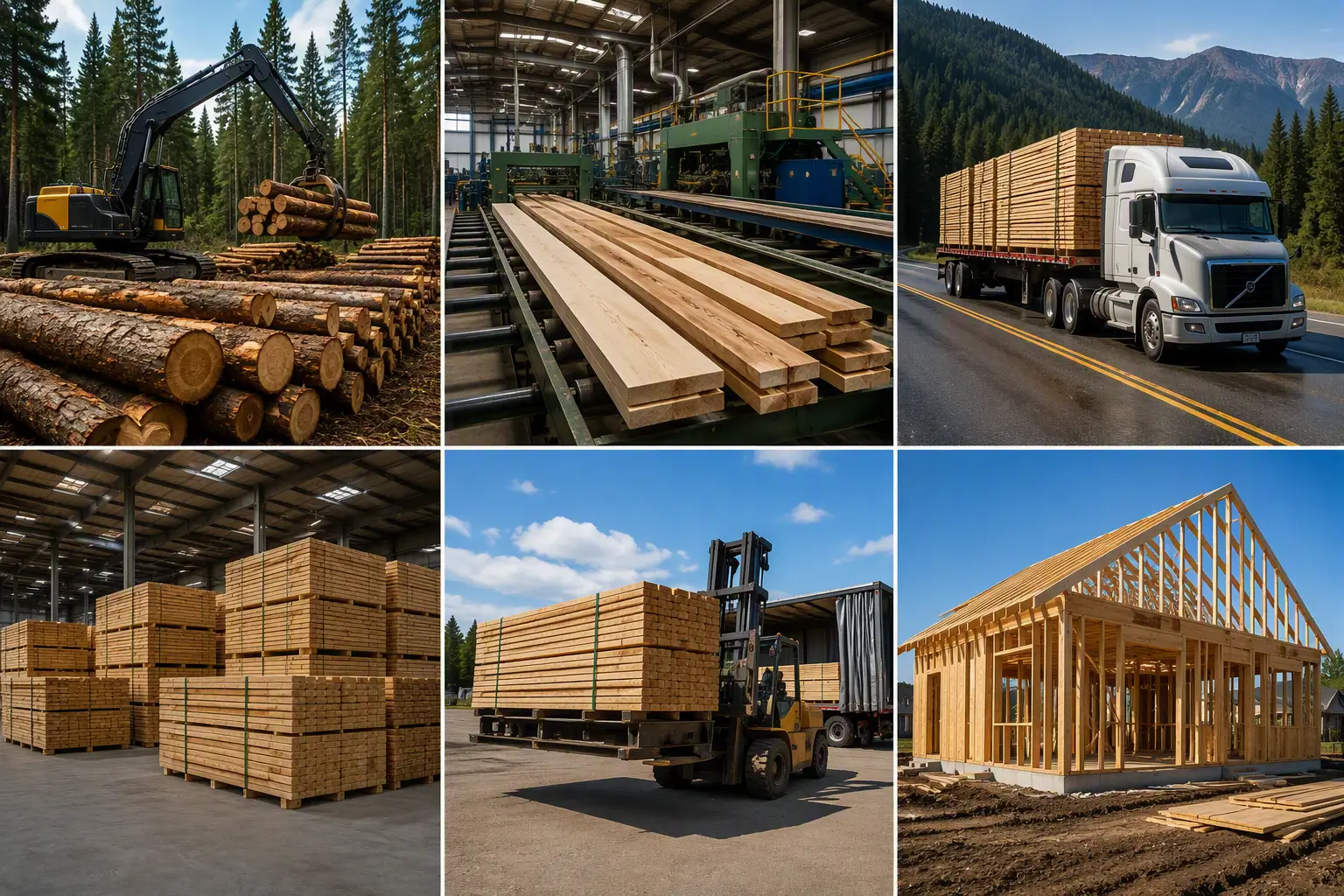
The best way to manage a lumber supply chain during challenging times is to improve visibility, diversify suppliers, maintain flexible procurement plans, evaluate alternative materials, and prepare contingency plans before disruptions occur. Companies that build these capabilities can respond faster, protect margins, and continue serving customers when established supply channels become unreliable.
Identifying Your Lumber Supply Chain Risks
A resilient lumber supply chain begins with understanding where it is most vulnerable. Consider what would happen if:
- A major supplier could not fulfill an order
- A particular species or grade became unavailable
- Tariffs significantly increased material costs
- A port, shipping route, or rail connection was disrupted
- Transportation delays added several weeks to lead times
- Demand increased faster than expected
Companies should map their critical products, suppliers, geographic regions, transportation routes, and lead times. Each high-risk dependency should have a potential alternative.
This process should include both immediate risks and longer-term threats. Experts recommend identifying risk factors, developing contingency plans, monitoring supply chain data, using automation, and strengthening supplier relationships as best practices
Diversify Lumber Suppliers and Sourcing Regions
Relying on one supplier, mill, or geographic region may be efficient when conditions are stable, but it can create substantial risk during a disruption.
Supplier diversification does not necessarily mean abandoning dependable existing relationships. It means developing additional qualified sources that can provide needed products when the primary source cannot. Buyers may benefit from maintaining relationships with domestic, regional, and international suppliers across multiple markets.
The goal is to avoid having one disrupted mill, region, or transportation corridor stop an entire project or production schedule. A diversified supplier network also creates more opportunities to compare price, availability, quality, and delivery options. Supplier diversification, regional sourcing, and strong logistics partners can help businesses maintain operational continuity.
Improve Procurement Planning and Demand Forecasting
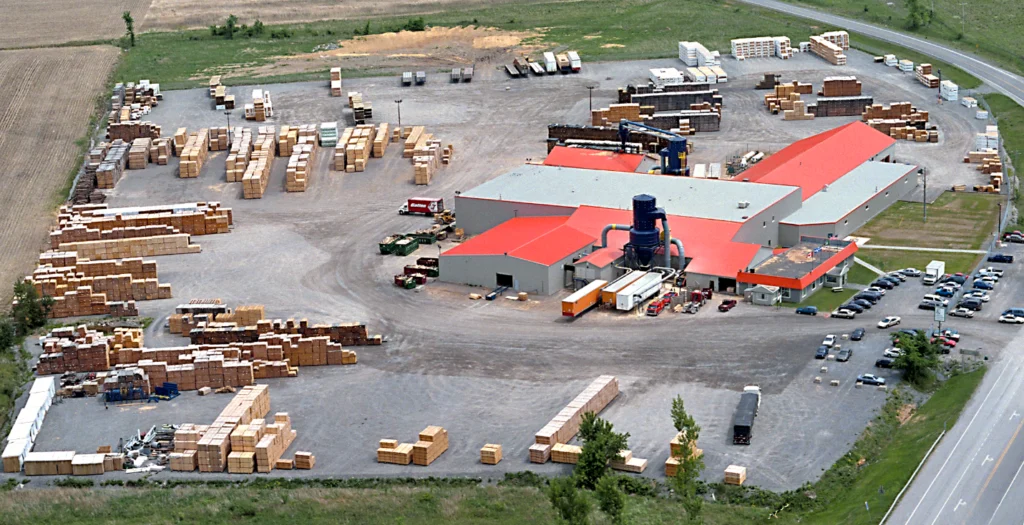
Effective lumber procurement planning requires more than purchasing materials at the lowest available price. Buyers must consider anticipated demand, lead times, inventory carrying costs, market conditions, and the consequences of running out of essential materials.
For high-priority products, establish reorder points and appropriate safety-stock levels. Extremely lean inventory can reduce carrying costs, but it may leave the organization exposed to delayed shipments or sudden demand increases. The right balance depends on the material’s importance, replacement time, price volatility, and availability from alternative suppliers.
Evaluate Alternative Materials and Species
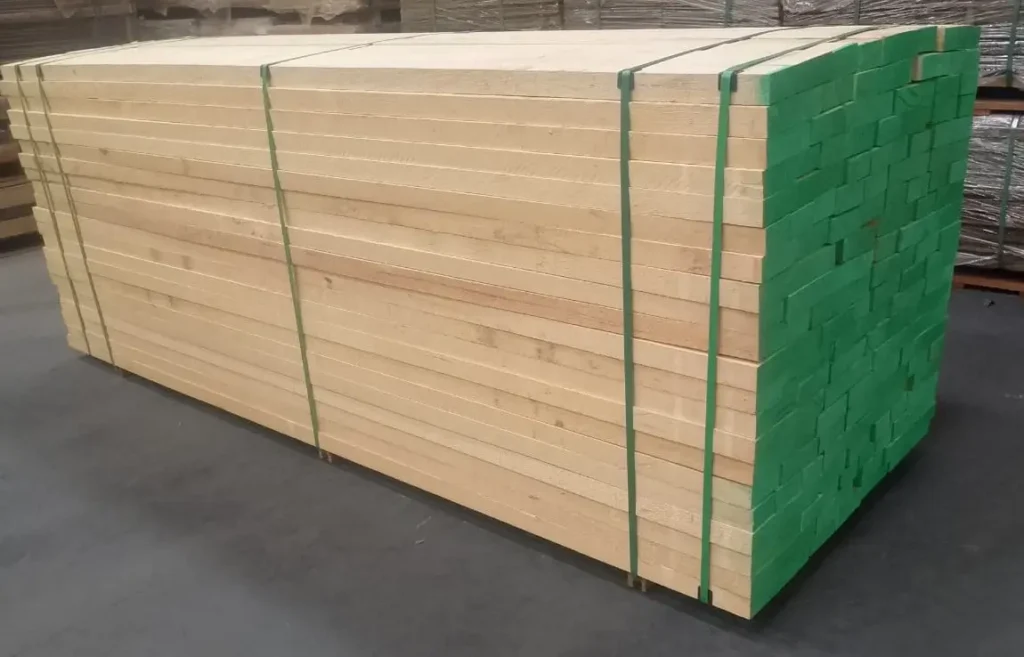
When a preferred lumber species, grade, size, or specification becomes scarce or prohibitively expensive, suitable alternatives can keep projects moving.
- A different wood species with comparable performance
- Another grade or dimension
- Engineered wood products
- Regionally available lumber
- A revised specification that provides greater sourcing flexibility
Every substitute must be evaluated for:
- Structural performance
- Appearance
- Durability
- Treatment requirements
- Regulatory compliance
- Customer acceptance
Creating a list of preapproved alternatives before shortages occur can significantly reduce response time.
Increase Visibility Across Orders and Logistics
Companies cannot respond quickly to problems they cannot see. Procurement teams need current information about inventory, supplier capacity, pricing, production status, transportation, and expected arrival dates.
Centralized purchasing information and real-time order tracking help teams identify potential delays earlier. That additional time may allow a buyer to expedite an order, use a different transportation mode, reroute a shipment, or source replacement material.
Strong relationships with freight and logistics providers are also essential. Transportation partners may provide alternative routes, container options, warehouse capacity, or delivery schedules when normal channels are disrupted.
Create and Regularly Update Contingency Plans
A lumber supply chain contingency plan should establish what happens when a critical supplier, product, or transportation route becomes unavailable.
The plan should identify:
- Which materials and customer commitments receive priority
- Which alternative suppliers should be contacted
- Which materials or species may be substituted
- How inventory will be reallocated
- Which transportation alternatives are available
- How employees, customers, and other stakeholders will be updated
Plans should be reviewed periodically because supplier capacity, pricing, risks and transportation conditions continually change. Supply chain resilience is an ongoing process—not a one-time exercise.
How TimberBase Helps Strengthen Lumber Supply Chains

TimberBase helps lumber buyers respond to uncertainty with better information, broader sourcing options, and more efficient procurement. Backed by UFP Industries, TimberBase is a digital sales platform connecting thousands of buyers and sellers worldwide through an extensive global network.
Companies can use TimberBase to create standardized requests, obtain customized and competitive offers, explore products in various grades, species, and dimensions, and connect with new suppliers. Its centralized dashboard provides greater transparency across offers and orders, while real-time tracking helps reduce logistics delays and unexpected surprises.
Whether your organization needs assistance with procurement planning, alternative materials or species, new supplier connections, order visibility, logistics, or changing market conditions, TimberBase can help you build a more flexible and resilient lumber supply chain.
Request a TimberBase demo to discover more sourcing options and prepare your business for whatever comes next.