
Navigating Timber Shipping’s Changing Landscape - and How TimberBase® Helps

The global timber industry is facing one of its most volatile shipping environments in decades. From geopolitical instability to skyrocketing freight costs and container disruptions, timber producers, wholesalers, and buyers are navigating a rapidly shifting logistics landscape.
The most significant—and timely—factor driving this disruption is the ongoing conflict in the Middle East, which is fundamentally reshaping global shipping routes, container availability, and pricing structures.
For timber businesses that rely on efficient, predictable logistics, these challenges are more than inconvenient—they directly impact margins, delivery timelines, and competitiveness. Fortunately, platforms like TimberBase are emerging as critical tools to help companies adapt and stay ahead.
The Middle East Conflict: A Direct Hit to Timber Shipping
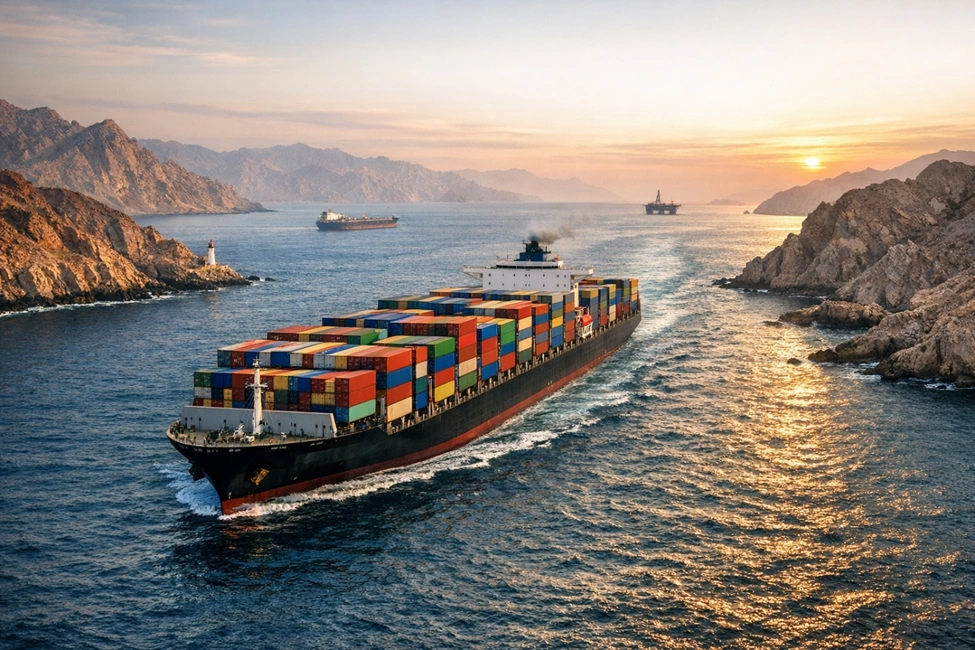
The escalation of conflict in the Middle East—particularly around the Strait of Hormuz and Red Sea—has disrupted some of the world’s most critical shipping lanes. These routes handle a meaningful share of global container traffic and are essential for timber exports between Europe, Asia, and the Middle East.
Shipping carriers have been forced to:
- Reroute vessels away from high-risk zones
- Suspend or delay shipments
- Impose emergency fuel and war-risk surcharges
As a result, freight costs have surged dramatically. In some cases, container rates for timber shipments have increased multiple times over baseline levels, compressing already tight margins.
Even more concerning, the closure or restriction of key routes like the Strait of Hormuz has contributed to oil price spikes — further increasing shipping and production costs across the timber supply chain.
Rising Costs: Fuel, Insurance, and Surcharges
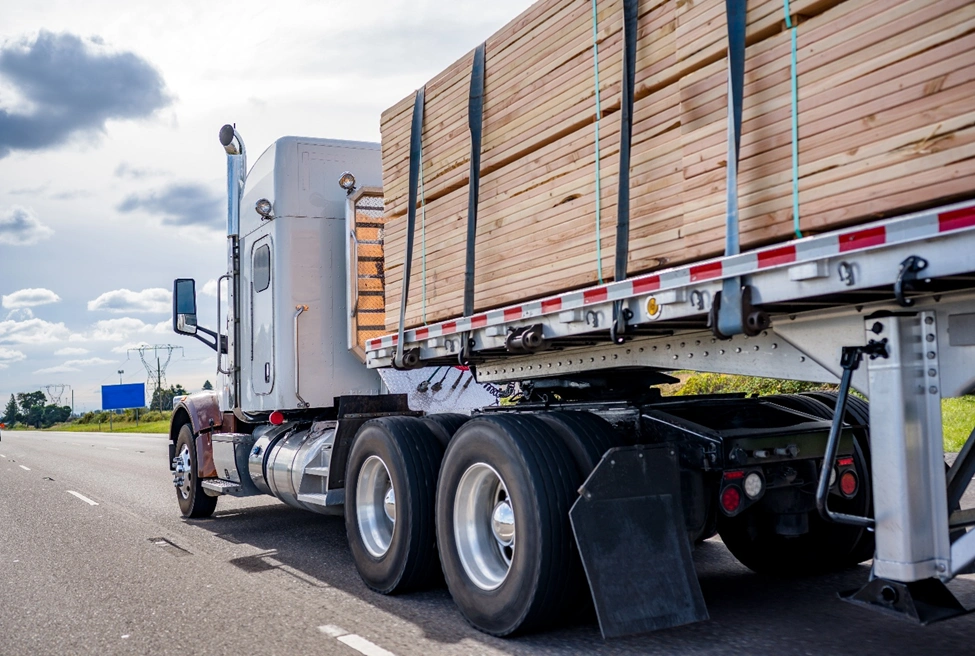
The ripple effects of geopolitical conflict extend far beyond route disruptions. Timber companies are now contending with a cascade of cost increases:
- Fuel surcharges driven by rising oil prices
- War-risk insurance premiums on shipments
- Congestion fees at alternative ports
Industry analysts warn that carriers are applying “emergency conflict surcharges” across global routes—not just those directly tied to the Middle East.
This creates a compounding effect:
- Longer routes → more fuel consumption
- Higher risk → higher insurance costs
- Port congestion → longer delays
For timber exporters, where margins are often thin and pricing is highly competitive, these additional costs can quickly erode profitability.
Delays and Route Disruptions: The New Normal
One of the most disruptive impacts on the timber industry is extended transit times. With many carriers avoiding the Suez Canal and Red Sea, shipments are being rerouted around the Cape of Good Hope—adding 10–14 days or more to transit times.
This creates several downstream challenges:
- Missed delivery deadlines
- Inventory shortages or surpluses
- Increased working capital requirements
- Reduced reliability for buyers and contractors
In a sector where construction timelines depend on predictable material delivery, these delays can have cascading effects across entire projects.
Container Availability and Port Congestion
Another major issue facing the timber industry is container imbalance and port congestion. As ships are rerouted and schedules disrupted, containers are often left stranded in the wrong locations or delayed at congested ports.
Major shipping hubs are now experiencing:
- Longer unloading times
- Increased backlogs
- Limited container availability
At the same time, global shipping lines are prioritizing high-margin or time-sensitive cargo, which can deprioritize bulk commodities like lumber.
Demand Uncertainty and Market Volatility
Beyond logistics, the Middle East conflict is also impacting timber demand itself. The region is a key importer of softwood lumber for construction projects, but economic uncertainty and supply disruptions are slowing activity.
This creates a difficult balancing act for suppliers:
- Rising shipping costs
- Potentially weakening demand
- Increased pricing volatility
The result is a highly unpredictable market environment where traditional supply chain strategies are no longer sufficient.
4 Ways TimberBase® Helps Overcome These Challenges
In a market defined by disruption, visibility and flexibility are everything. This is where TimberBase provides a strategic advantage.
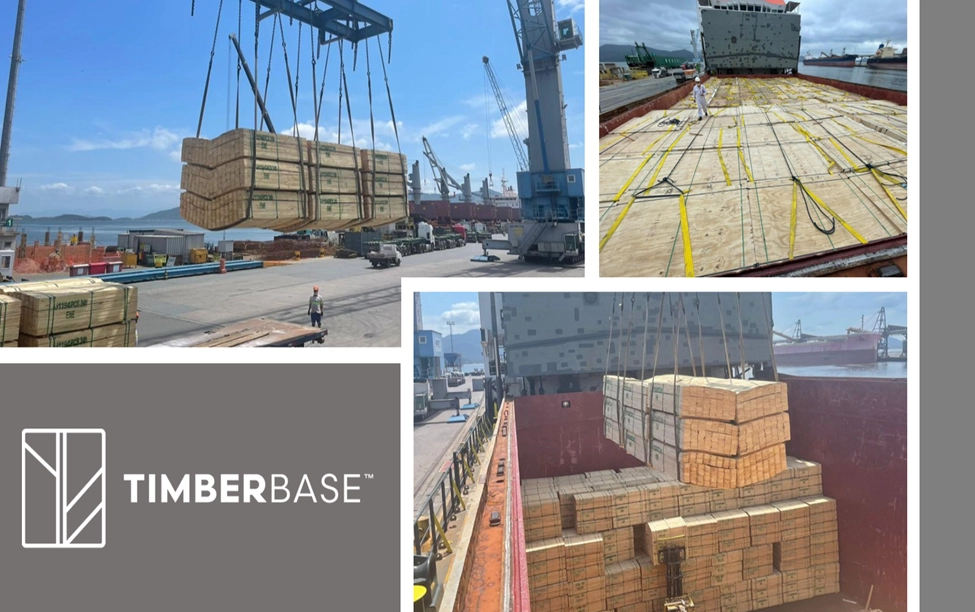
1. Real-Time Market Visibility
TimberBase connects buyers and sellers in a centralized marketplace, giving users immediate insight into product availability, pricing trends, and supplier options.
Instead of relying on outdated supply chains, companies can:
- Quickly identify alternative sources
- Compare pricing across regions
- Adjust procurement strategies in real time
2. Diversified Supplier Network
With shipping routes constantly changing, relying on a single supplier or region is riskier than ever.
TimberBase enables businesses to:
- Access a broader network of suppliers
- Reduce dependency on disrupted trade routes
- Maintain supply continuity despite global instability
3. Faster Transaction Cycles
Traditional timber transactions can be slow and fragmented, something that becomes even more problematic during shipping disruptions.
TimberBase streamlines the process by:
- Digitizing communication
- Accelerating deal-making
- Reducing friction between buyers and sellers
This speed is critical when shipping conditions change daily.
4. Data-Driven Decision Making
In volatile markets, decisions based on outdated or incomplete information can be costly.
TimberBase empowers you with:
- Pricing transparency
- Transaction data
- Real-time container tracking
This helps you make smarter, faster decisions, especially when shipping costs and timelines fluctuate.
Turning Disruption into Opportunity
The timber industry is no stranger to cyclical challenges, but the current combination of geopolitical conflict, shipping disruption, and cost inflation represents a uniquely complex environment.
The Middle East conflict has exposed vulnerabilities in global supply chains—especially for industries like timber that rely heavily on containerized shipping. From rerouted vessels and rising fuel costs to port congestion and demand uncertainty, the challenges are significant.
However, companies that embrace digital platforms like TimberBase are better positioned to adapt. By increasing visibility, expanding supplier networks, and accelerating transactions, TimberBase helps timber businesses navigate disruption—and even uncover new opportunities in a changing global market.
If you have questions or want to learn more, get in touch with us today.